
 History

> From the Archives
> The Story of the Bells
We are currently carrying out further research into the history of the building. The following reflects the best information which we had at the time of writing, and is therefore subject to change as our research continues.
Read here about some of our latest findings.
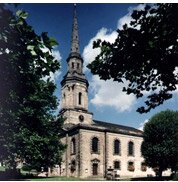
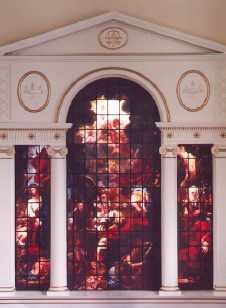
St Paul's chapel was one of two new chapels built under an Act of Parliament of 1772. It was designed by Roger Eykyn, a surveyor from Wolverhampton, with Samuel Wyatt, a distinguished local architect, acting as an advisor. The chapel was consecrated in 1779. In 1785 a Vestry Meeting commissioned one Francis Eginton to make a painted glass window on the topic of the conversion of St Paul, to be a copy of a painting on that subject commissioned from Benjamin West. Furthermore Samuel Wyatt was to design the whole setting for the window in what is termed the alter piece. Francis Eginton had been a senior employee of Matthew Boulton in a number of products and a partner in some, but they had parted company and Eginton had set up as a glass painter in Handsworth. Benjamin West, an American, was Court painter to George 111. He was a founder member of the Royal Academy and became President in 1792. Eginton ran into problems with the window and it was to be 1791 before it was finished, six years after the commissioning.
The East Window depicting the conversion of St Paul
> History of St Paul's Church
> From the Archives
> The Story of the Bells